
KERBS
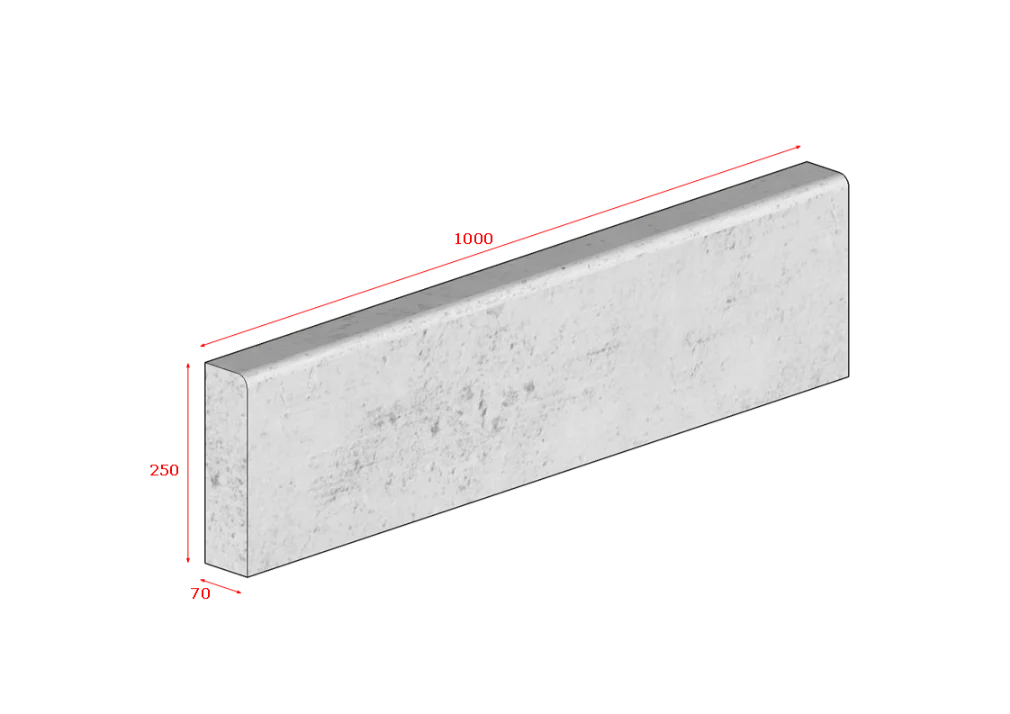
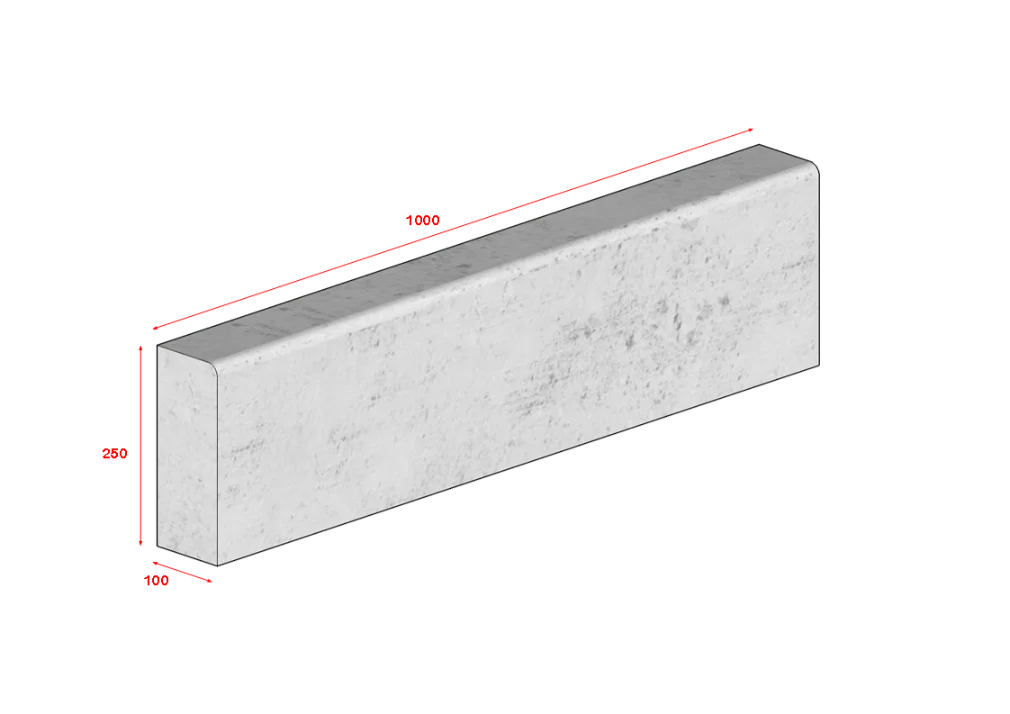
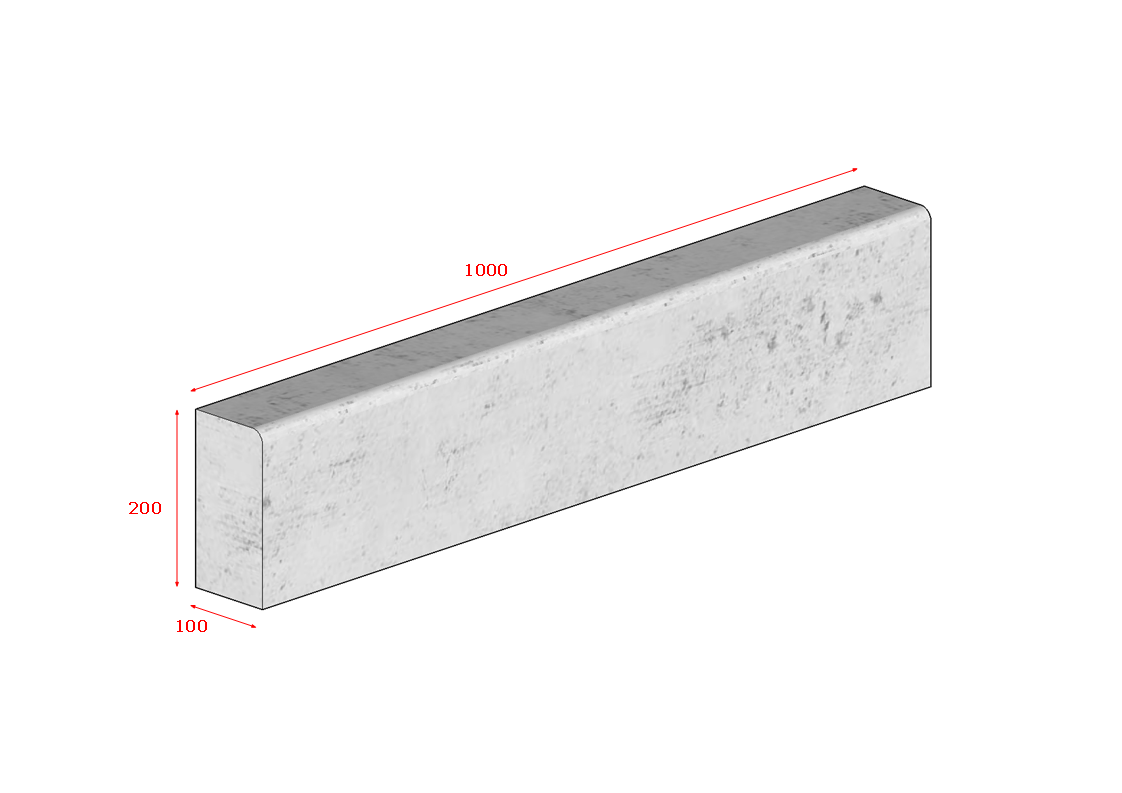
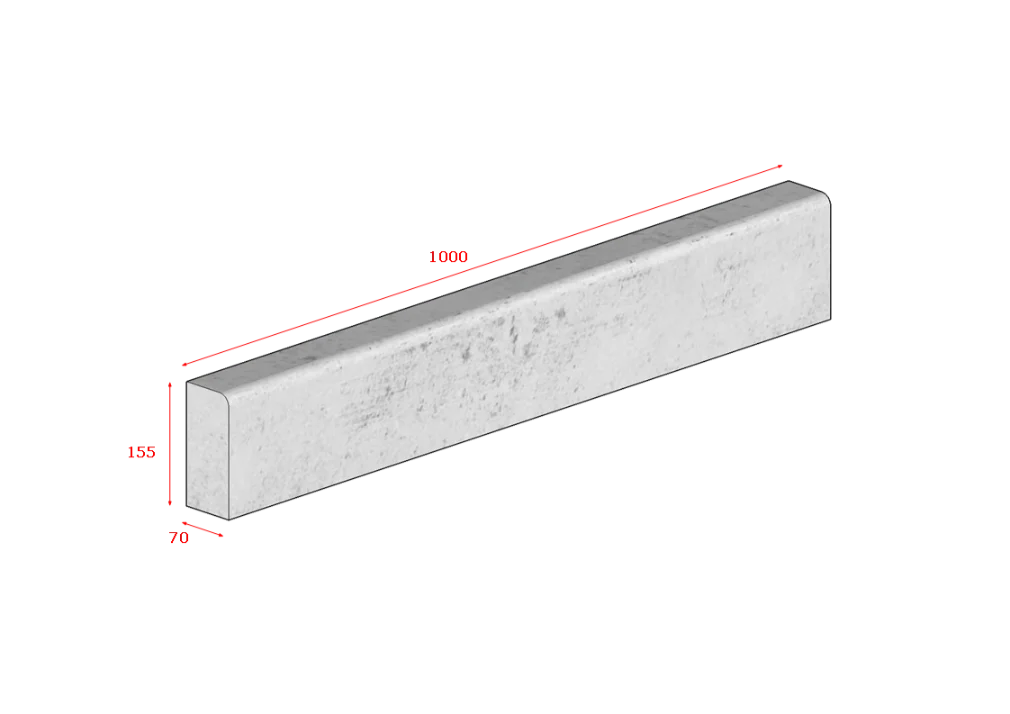
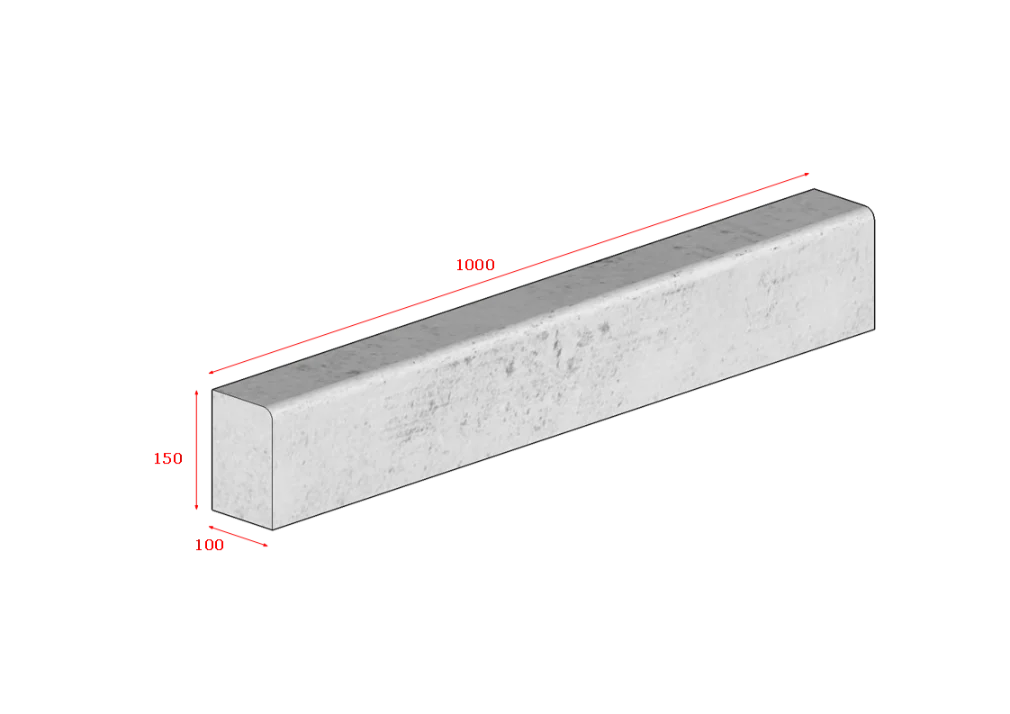
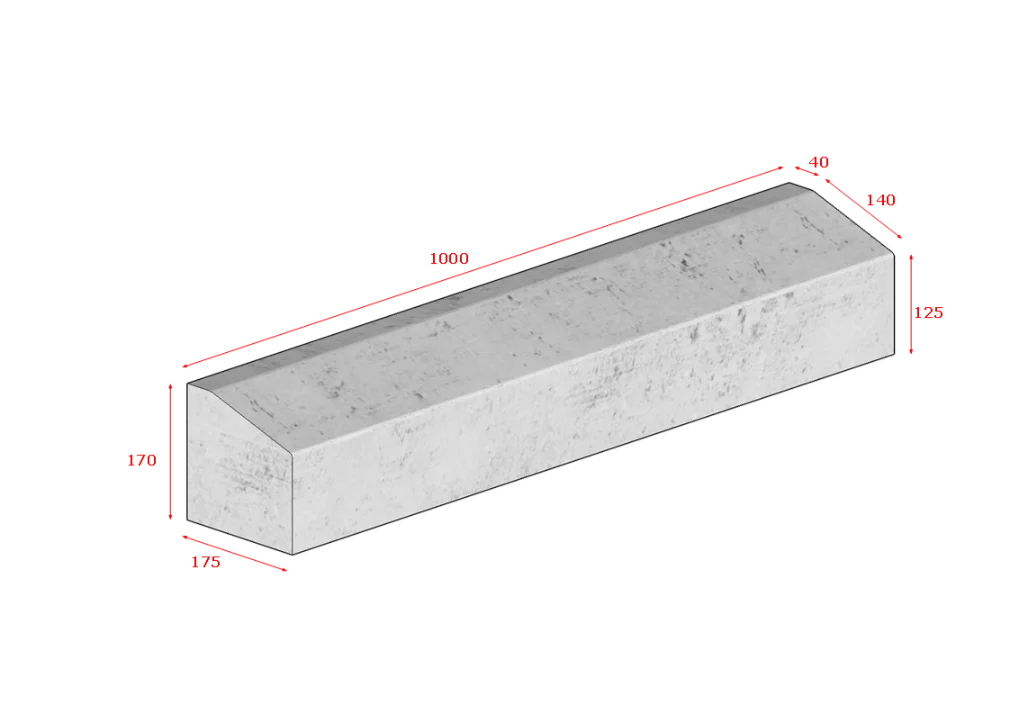
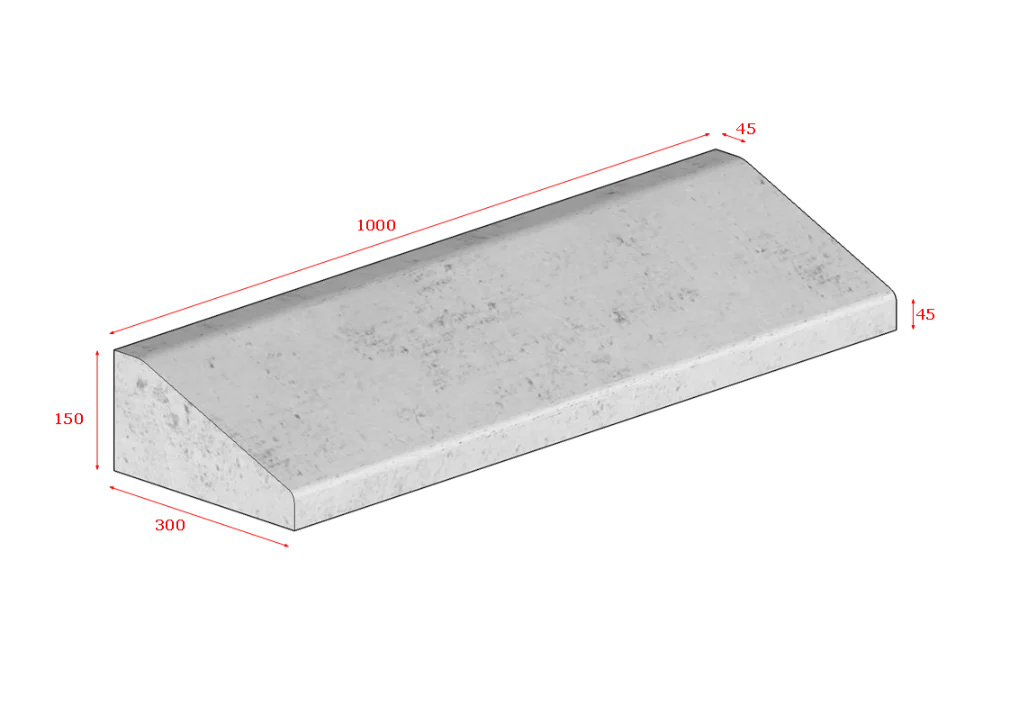
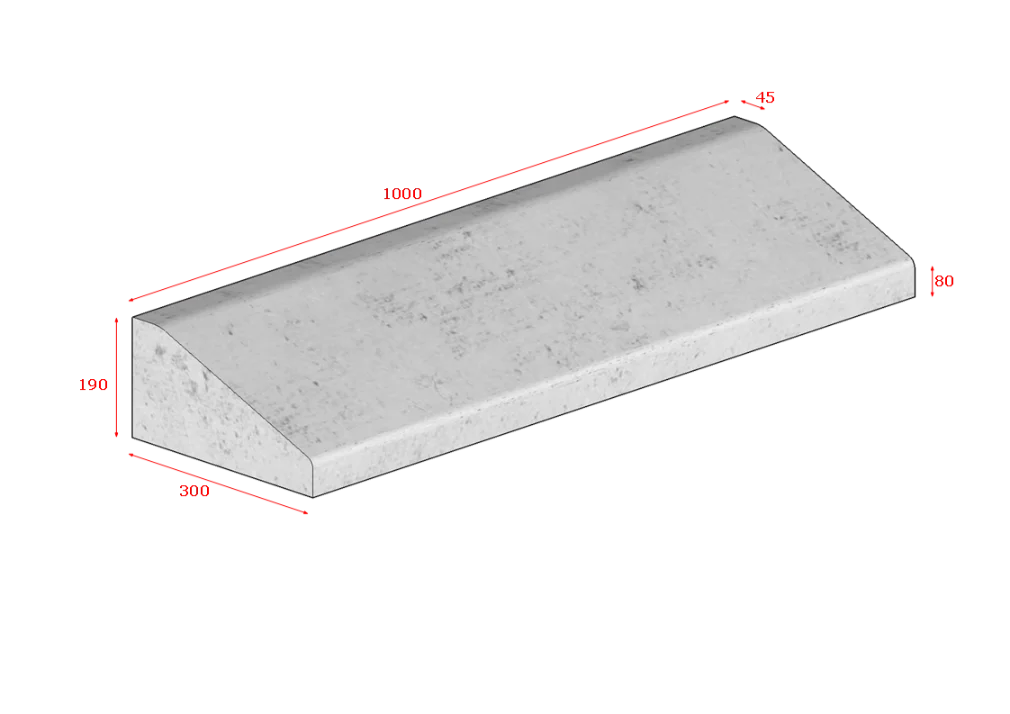
Mobicast produces a wide range of Kerbs as per national specifications for civil works as well as for public use. They are categorized as Barrier, Channel, Edge and Mountable Kerbs.
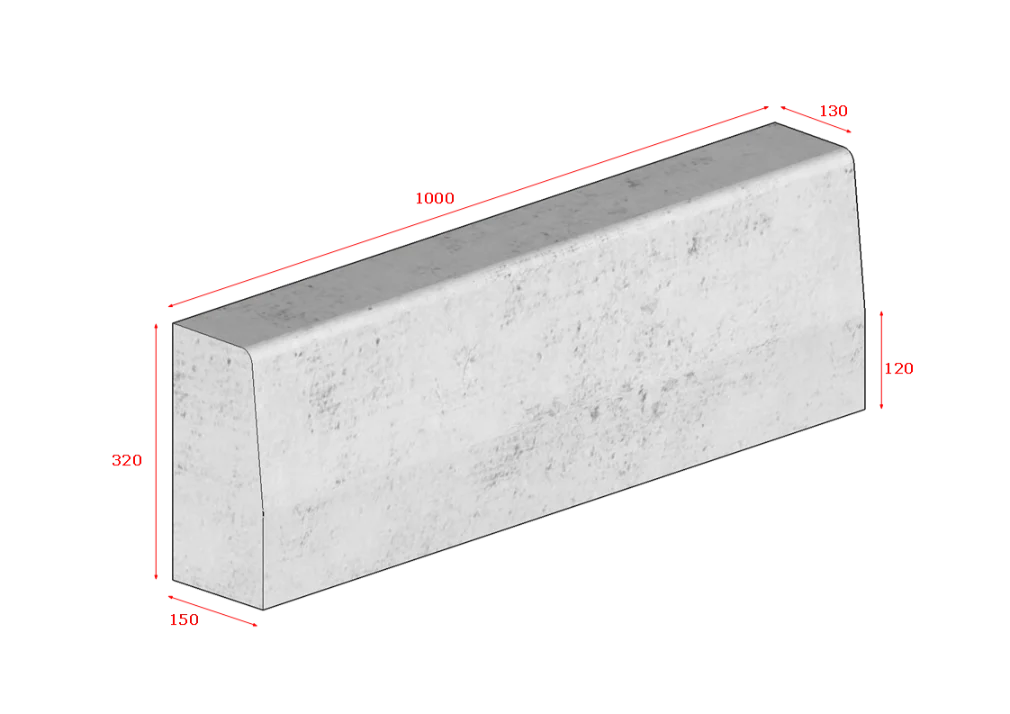
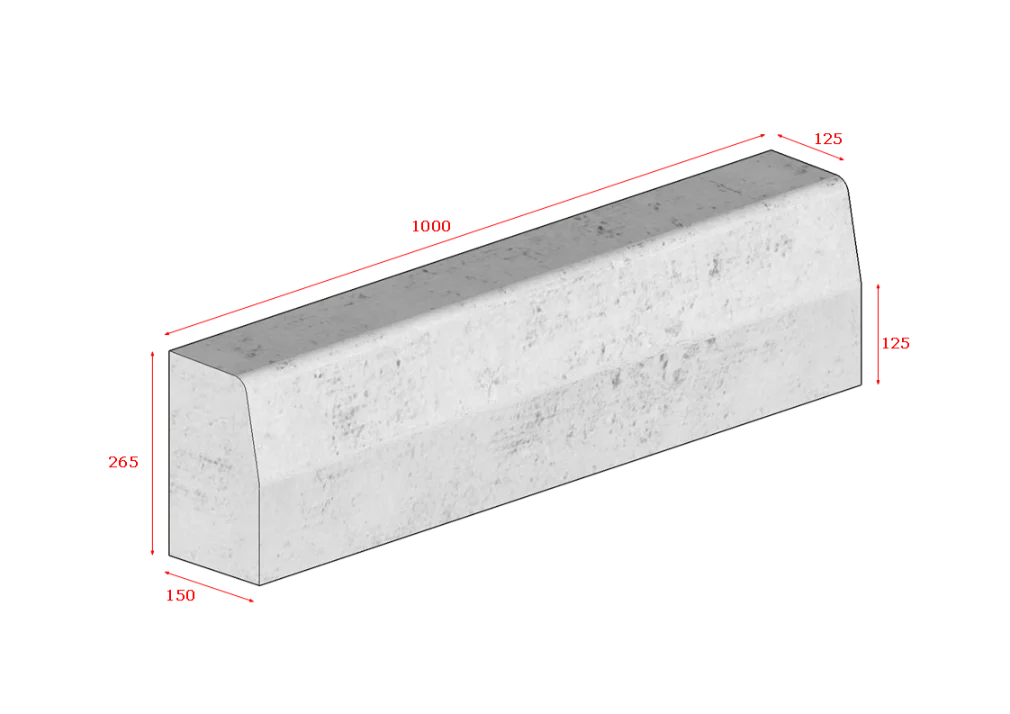
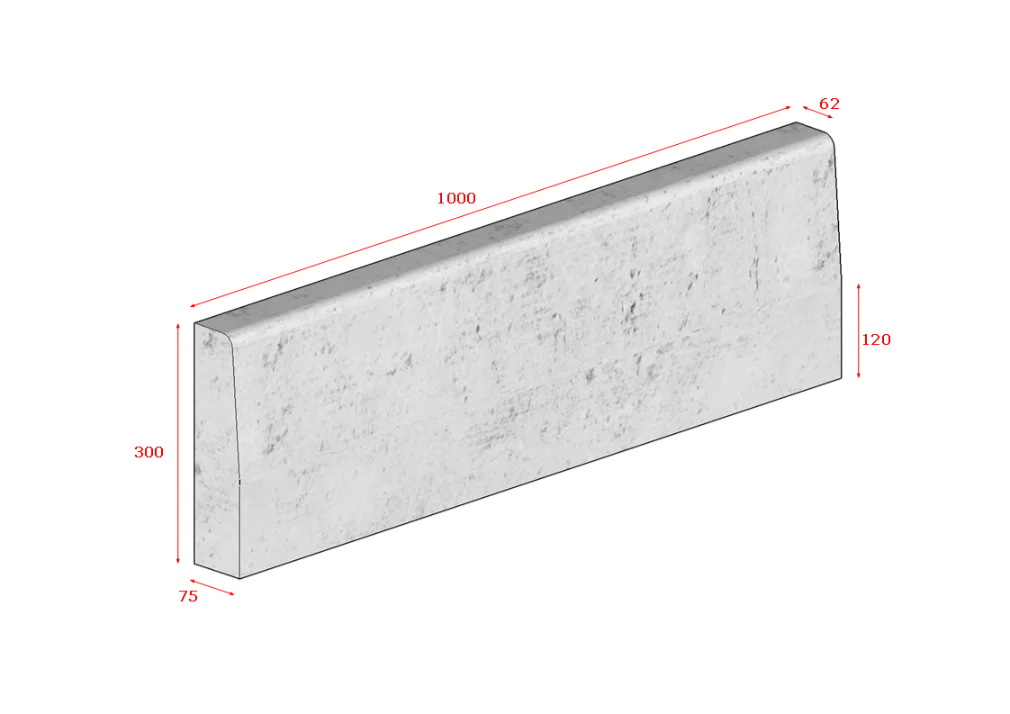
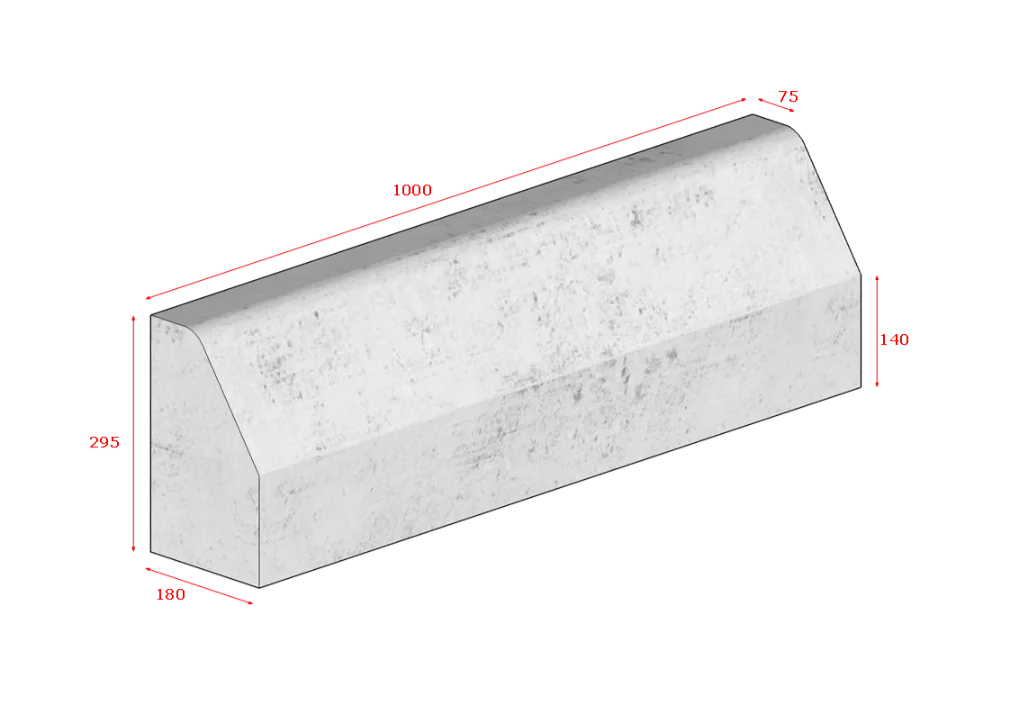
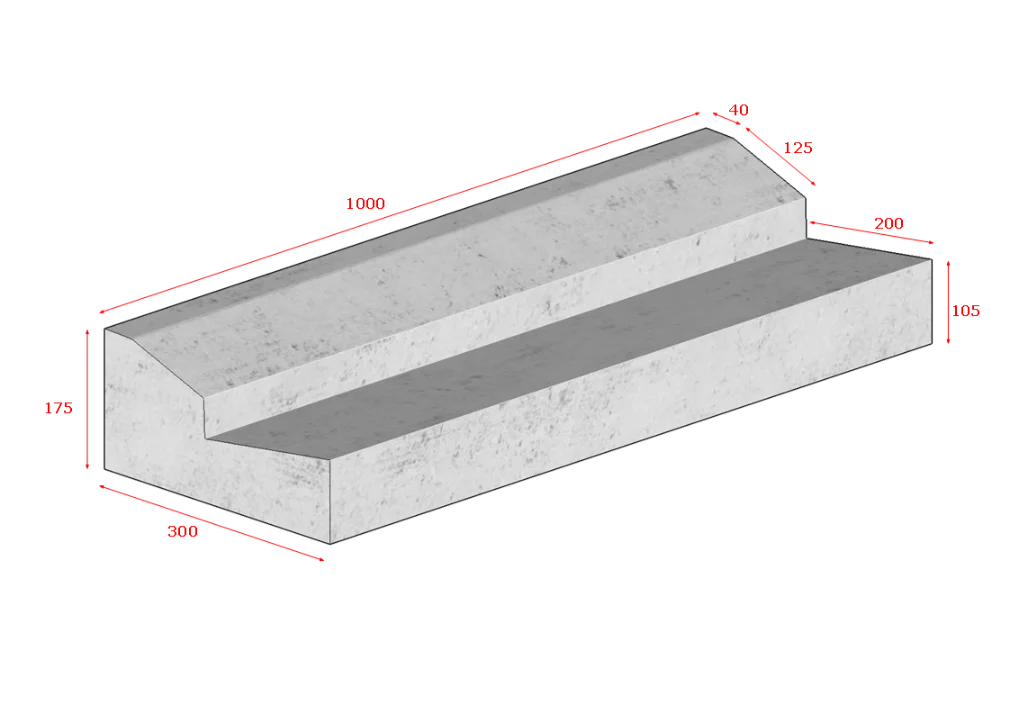
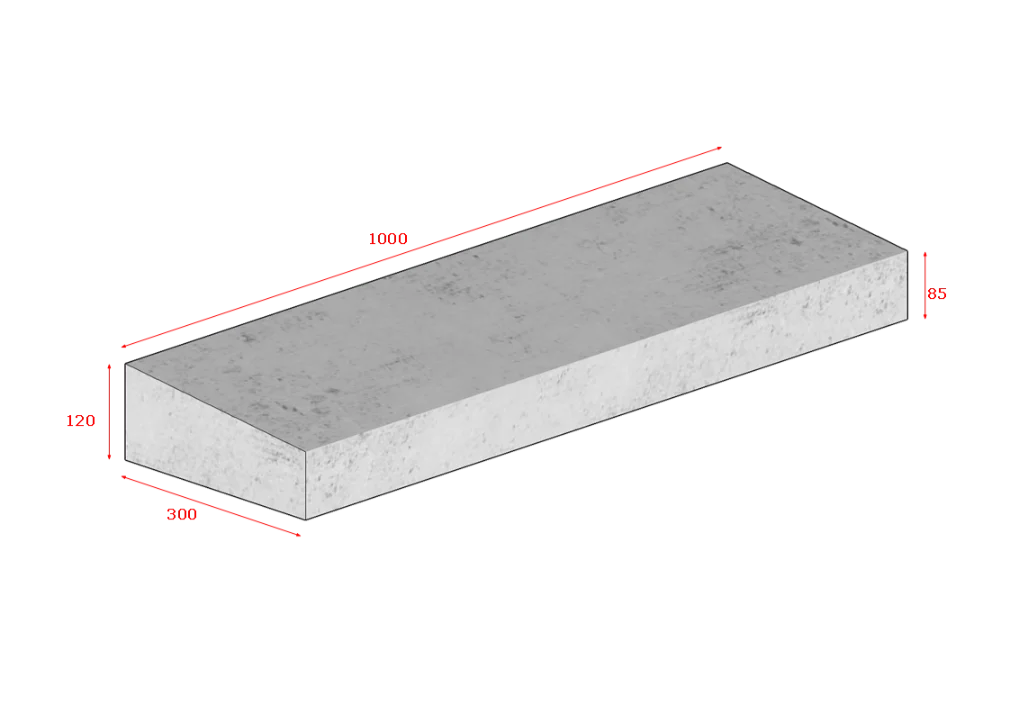
Lack of Rear Support: Missing back concrete lets units tilt backward when driven over.Soft Base Material: Laying kerbs on loose soil causes uneven settling over time.
Concrete Grade: Precast units need a strength rating of 30 MPa to 40 MPa (and up to 50 MPa for industrial areas).
Aggregate Choice: Crushed granite or basalt stone gives the concrete better density and long wear resistance.
Water Ratio: Keeping the water content low stops moisture from soaking into the concrete and causing cracks.Missing Joints: Continuous kerbs without expansion joints will crack as temperatures change.
Factory casting creates uniform strength and clean finishes. These kerbs come in standard lengths, usually 300 mm, 500 mm, or 1000 mm. As a result, they are great for fast replacement and precise landscaping projects.
Workers cast these kerbs directly on-site using automated extrusion machines. Consequently, this method eliminates joints and creates long-lasting borders for highways.
Installation Note: Precast kerbs require strong concrete backing along the base and back. This support stops the kerb from shifting when cars hit it.
A strong concrete base matters far more than the kerb unit itself. Without good support, heavy tire loads and shifting ground will quickly crack or move the blocks.
Bedding Layer: Workers place units on a wet concrete bed that is 100 mm to 150 mm thick. This base distributes heavy loads evenly across the ground.
Rear Haunching: Concrete support must extend up the back of the kerb. In fact, it should reach at least halfway up the back face to resist sideways pressure from tires.
Alignment & Laying: Stringlines keep the edge straight and level. Additionally, small expansion joints every few meters allow the concrete to expand in heat.
Heavy-duty kerbs must handle frost, wet soil, and heavy vehicle impacts over time.
Sentence Length: Chopped long, complex compound sentences into shorter, punchy sentences under 20 words.
Transition Words: Added smooth connectors like First, Second, Finally, Consequently, As a result, Additionally, In fact.
Word Complexity: Replaced overly formal terms with simple, clear English (e.g., swapped “sub-grade shifting” and “lateral force” for simpler phrasing)